“Luxury doesn’t just sparkle — it needs protection.”
Anyone can wipe a surface. But caring for premium furniture, antiques, artwork, and high-value finishes?That’s a different story — one where every product, cloth, and technique matters.
Because luxury isn’t just about beauty. It’s about preservation.
And the wrong swipe, spray, or scrub can cost more than people realise.
At Luxe Clean Group, we treat every high-value item like an investment — because it is.
Common Mistakes People Make When Cleaning Premium Materials
Even the most well-meaning homeowners can accidentally damage delicate items without realizing it.
Here are the mistakes we see most often:
1. Using harsh chemicals on natural stone
Marble, travertine, and limestone react badly to acids. Even “gentle” household sprays can etch the surface permanently.
2. Over-wetting wood or antique finishes
Water causes swelling, warping, and long-term deterioration.
3. Scrubbing instead of blotting
Abrasive motions can loosen varnish, lift finishes, and create micro-scratches.
4. Using the wrong cloth
Paper towels and cheap microfibers can actually create friction damage.
5. Treating artwork like decor
Paintings, frames, and sculptures require conservation-style dusting — not regular household cleaning.
Luxury items need thoughtful care — not guesswork.
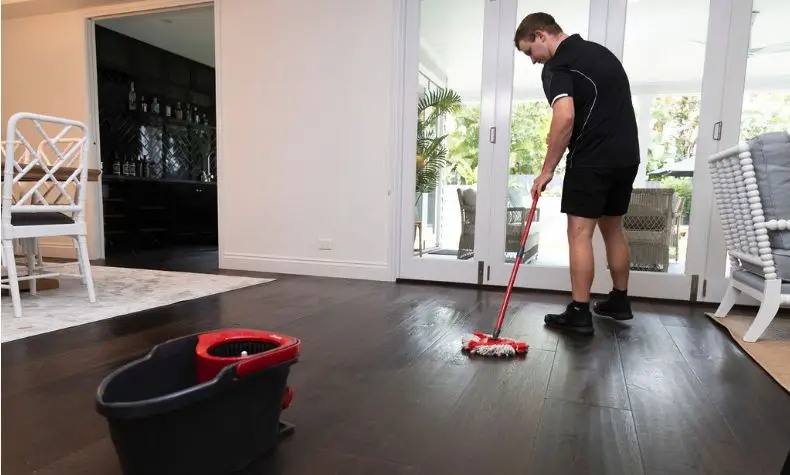
How Luxe Clean’s Precision Approach Preserves Beauty and Value
When our team walks into a home with high-value items, the mindset shifts.
This isn’t just cleaning — it’s preservation work.
Here’s how our Luxe approach protects your investments:
1. Material-first assessments
We identify the surface before we choose a product.
Stone? Wood? Gold leaf? Brass? Each has its own protocol.
2. Only pH-appropriate products
No acids on stone. No silicone on antiques.
We use professional-grade solutions paired with gentle, controlled application.
3. Feather-light dusting for artwork
Artwork is dusted from a distance with ultra-soft brushes — never sprayed or wiped directly.
4. Microfiber mastery
We use specific microfiber grades, each labeled for its purpose — glass, wood, metal, stone — to prevent cross-contamination.
5. Minimal moisture, maximum control
Our team uses damp-not-wet techniques designed to protect delicate surfaces.
6. Two-person checks on high-value zones
For antiques, heirlooms, or specialty pieces, two sets of eyes ensure precision and safety.
This is how luxury is meant to be cared for — with intention and respect.

- Use soft, non-abrasive microfiber cloths
- Keep pH-neutral cleaners on hand
- Dust regularly to prevent buildup
- Spot-test any new product
- Keep antiques out of direct sunlight
- Don’t spray anything directly onto artwork
- Don’t use vinegar, bleach, or all-purpose sprays on stone
- Don’t scrub antique finishes or metals
- Don’t let moisture sit on high-value surfaces
- Don’t assume all materials react the same


